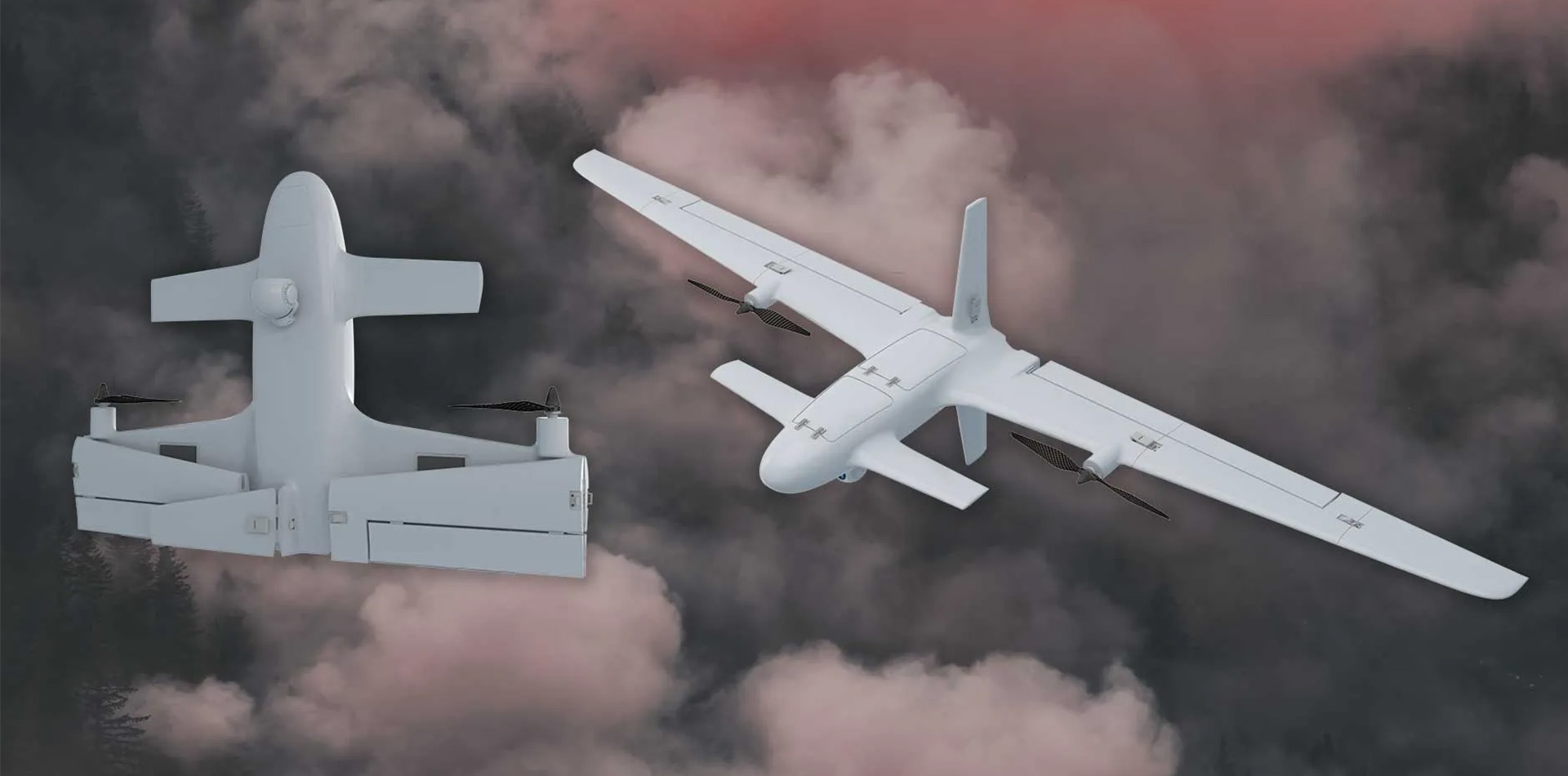
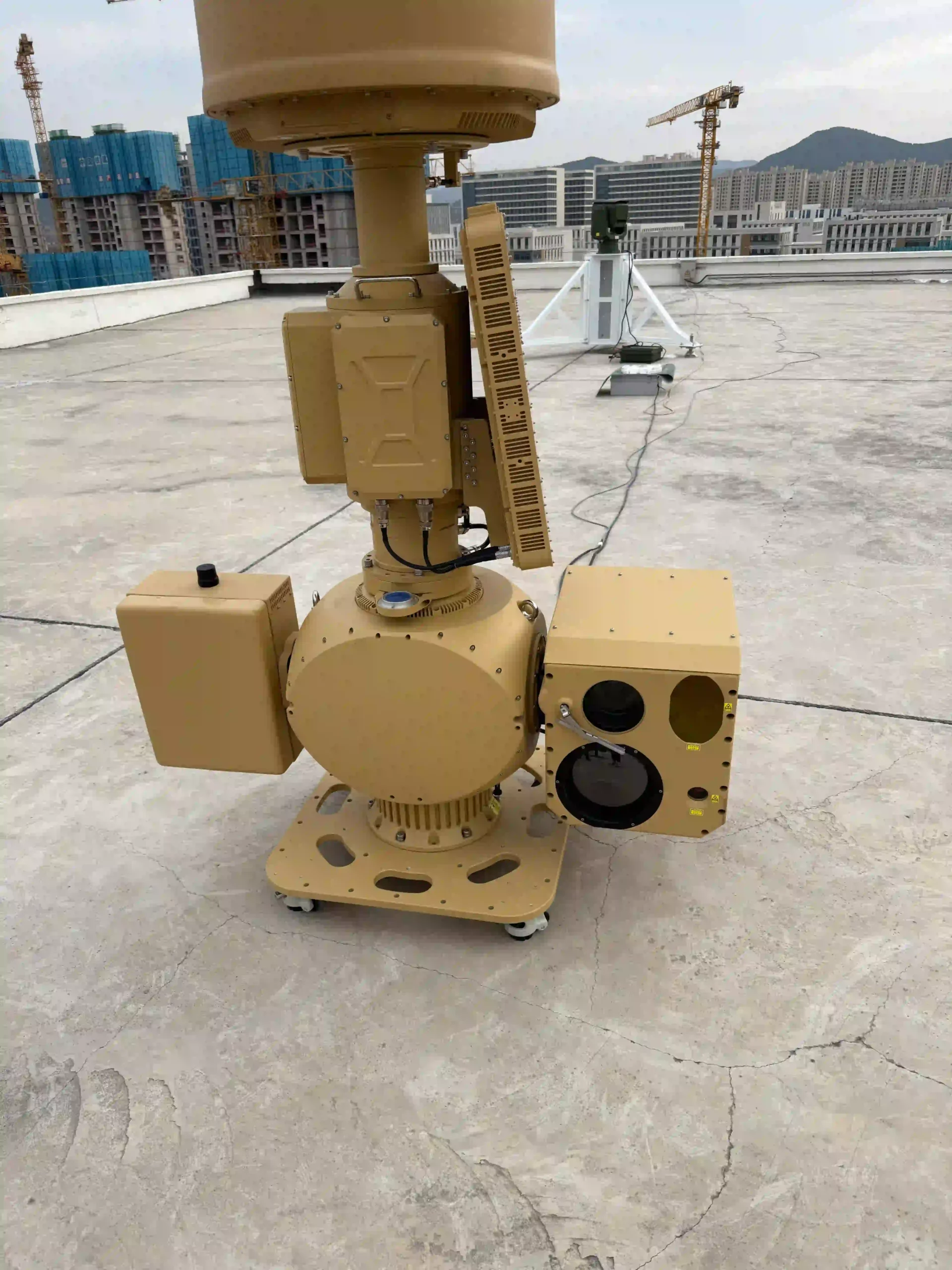
Radar and optoelectronic combined detection solving the early warning problem of RCS 0.01m² targets
Phased array radar plays a key role in identifying and tracking low-RCS targets in real-world scenarios. These targets often include stealth aircraft, drones, or small UAVs that pose threats in modern air defense. For instance, in counter-drone operations, such radars help detect low, slow, and small unmanned aerial vehicles that traditional systems might overlook. Its electronically steered beam enables fast sweeps across wide zones. No mechanical parts need to move. This feature supports immediate monitoring of quick-moving items. Ku/X-band phased array radar systems perform reliably for spotting objects at medium to high elevations. They provide consistent surveillance up to 8 km. These units adjust beam paths and signal patterns quickly. Consequently, they maintain a secure lock on compact objects that reflect minimal energy. In practice, this capability proves essential for defending against unauthorized drones infiltrating restricted airspace. However, relying solely on radar encounters difficulties in locating targets with an RCS as low as 0.01 m². Such devices produce extremely weak returns. These returns frequently blend into background clutter or atmospheric disturbances. Advanced signal processing techniques, though effective, can struggle in crowded electromagnetic conditions. There, numerous reflections and interferences occur simultaneously. Thus, radar-only setups may suffer from decreased reliability. They could also encounter higher rates of incorrect detections when addressing elusive aerial risks, such as small drones evading detection in urban environments. The Contribution of EO/IR Sensors to Target Detection Electro-optical (EO) and infrared (IR) sensors work well alongside radar. They provide non-active detection methods independent of radio wave reflections. These tools capture visual and heat signatures that targets emit or bounce back. As a result, they excel at managing objects with reduced radar visibility. A hemispherical optoelectronic radar configuration integrates long-wave infrared and television channels in dual-mode imaging. This arrangement serves effectively for examining medium- and low-altitude areas overlooked by radar, within 2 km. In counter-UAV efforts, such sensors detect thermal traces from drone motors, aiding in early identification of slow-moving threats near the ground. Moreover, EO/IR sensors handle scenarios effectively where radar performance dips. This includes times of electronic jamming or cluttered terrain settings. Infrared imaging identifies warmth from propulsion systems or body heat, despite faint radar echoes. At the same time, optical components deliver sharp visuals for target categorization and recognition. These qualities position optoelectronic systems as crucial elements for improving detection confidence across different operational contexts, particularly in defending against low-altitude drone incursions. What Are the Challenges in Detecting RCS 0.01m² Targets? Locating targets with an RCS of 0.01 m² involves substantial technical obstacles. The root cause lies in their limited reflected power. Extracting subtle echoes amid noise requires robust signal management tools. Examples encompass improved filters, adjustable threshold settings, and techniques for integrating signals coherently. Additionally, setups call for highly responsive receivers and precise alignment to sustain detection strength over extended ranges. In the context of anti-drone defense, these challenges intensify when small UAVs operate at low speeds and altitudes, where their signatures mimic birds or debris. Furthermore, clutter represents a primary concern. It arises from undesired echoes off terrain, buildings, foliage, or ocean waves. Such interferences often mask signals from diminutive targets. Intelligent approaches, including constant false alarm rate (CFAR) processing and Doppler discrimination, assist in separating authentic targets from false ones. Nevertheless, their success hinges on stable environmental factors and accurate calibration. For low, slow, small drones, effective clutter rejection becomes vital to prevent misses in populated or natural areas. Environmental Factors Affecting Detection Accuracy Atmospheric elements, like humidity, precipitation, fog, and temperature variations, influence the operation of both radar and EO/IR systems. In Ku/X-band radars, intense rain leads to wave absorption or dispersion. This reduces detection distance and signal clarity relative to noise. Similarly, optical devices face reduced visibility from dust or overcast skies that obstruct line-of-sight paths. Real-world drone defense scenarios often see these effects in rainy or foggy weather, complicating the pursuit of small threats. External interferences also heighten the risk of erroneous warnings. Bounces from rustling vegetation or artificial heat sources may imitate target profiles in IR views. Therefore, sound system architecture incorporates adaptive environmental models. These modify detection criteria using live atmospheric information. In turn, they ensure consistent performance. For countering low-altitude drones, such adaptations help maintain vigilance despite variable weather, safeguarding critical infrastructure from unauthorized flights. How Can Radar and Optoelectronic Systems Be Integrated? Combining radar and EO/IR systems hinges on alignment strategies for data collection schedules. The two platforms must synchronize their acquisition times. Through coordinated scanning routes and overlapping fields of regard, the unified system observes identical regions concurrently. This alignment facilitates efficient cueing mechanisms. In particular, radar detections cue EO/IR targeting for verification or identification. In anti-drone applications, this integration allows radar to initially spot a small UAV, prompting optical confirmation to assess intent. Data merging serves as a core strategy too. It consolidates inputs from both sources into a cohesive operational display. Fusion algorithms operating at various tiers integrate raw data, extracted features, or conclusive assessments. This process elevates detection assurance. Specifically, marginal radar indications receive corroboration from EO/IR visuals. Hence, it substantially diminishes ambiguity. Such fused approaches enhance defense against low, slow, small drones by providing layered verification in dynamic environments. Benefits of Integrated Systems for Early Warning Solutions An integrated radar-EO/IR framework delivers tangible advantages for proactive alert mechanisms against low-RCS hazards. It blends proactive microwave probing with unobtrusive optical monitoring. Consequently, these configurations achieve enhanced exactness. They further minimize spurious alerts stemming from ambient interference or signal jamming. In practice, this proves invaluable for countering drone swarms or single incursions targeting sensitive sites. Integrating the extended coverage of Ku/X-band phased array radar with the fine-grained resolution of hemispherical EO/IR sensors yields comprehensive 360° oversight. It incorporates precise bearing determination via intelligent data synthesis protocols. This tiered structure guarantees persistent surveillance across elevation levels. It spans elevated monitoring to proximate surface blind spots. Ultimately, it establishes a robust barrier for timely notifications regarding concealed aerial penetrations, bolstering overall drone defense strategies. Why Is Skypath a Reliable Supplier for Radar Solutions? Skypath has earned a solid reputation as a trustworthy provider of advanced radar equipment. This addresses contemporary air protection demands, including low-RCS identification. The company’s lineup features superior phased array radars tuned for Ku/X-band operations. They ensure dependable spotting over distances reaching 8 km for objects at medium to elevated altitudes. Skypath’s solutions directly support real-world needs, such as detecting and neutralizing low, slow, small drones in urban or border settings. The engineering prowess at Skypath extends beyond physical components. It encompasses intelligent frameworks for data management. These facilitate seamless connections with optoelectronic elements. Their offerings prioritize adaptable modular components. This enables straightforward customization for diverse assignments. Whether in stationary deployments or portable configurations, they remain reliable across varied conditions. Such versatility makes Skypath ideal for integrated counter-UAV systems that require quick adaptation to emerging threats. Innovations by Skypath in Phased Array Radar Technology Skypath advances phased array technology through initiatives like digital beamforming (DBF), adaptable signal modulation, and multi-path receiver designs. These improvements heighten responsiveness to low-reflectivity entities. The developments permit accurate directional measurements and swift multi-object pursuit. This remains effective amid heavy interference. In drone defense contexts, these innovations enable systems to track erratic, low-speed UAVs without losing focus. Furthermore, by incorporating these elements with hemispherical optoelectronic radars equipped with dual-mode long-wave infrared and television imaging modules, Skypath provides comprehensive fused alert platforms. They detect RCS 0.01 m²-level dangers in congested aerial domains. This occurs while upholding stable, ongoing functionality. Skypath’s approach ensures that defenses against small, slow drones incorporate both long-range radar and close-in visual tools for complete threat neutralization. Conclusion: Addressing the Early Warning Problem with Combined Detection Systems The pairing of phased array radar and EO/IR sensor technology offers a dependable resolution to the enduring difficulty of identifying low-RCS targets. Examples encompass stealth aircraft or miniature drones. Through harmonized functionality and astute data integration methods, they facilitate thorough 360° observation with refined directional precision. Fused systems deliver elevated situational insight. This element is indispensable for current protective infrastructures emphasizing prompt threat recognition. In the realm of anti-drone operations, this combined detection fortifies defenses against low, slow, small UAVs, ensuring safer skies through proactive measures. FAQs on Radar and Optoelectronic Combined Detection What is the advantage of using both radar and EO/IR sensors together? Combining these systems enhances detection capabilities, especially for low-RCS targets, by utilizing the strengths of both technologies to improve accuracy and reduce false alarms. How do environmental conditions affect radar and optoelectronic performance? Environmental factors like weather, terrain, and atmospheric conditions can impact the effectiveness of both systems, potentially causing issues like signal degradation or increased noise. Can existing radar systems be upgraded to include optoelectronic components? Yes, many existing radar systems can be retrofitted with EO/IR components to enhance their detection capabilities, though this may require specific integration techniques and technology upgrades.
Learn More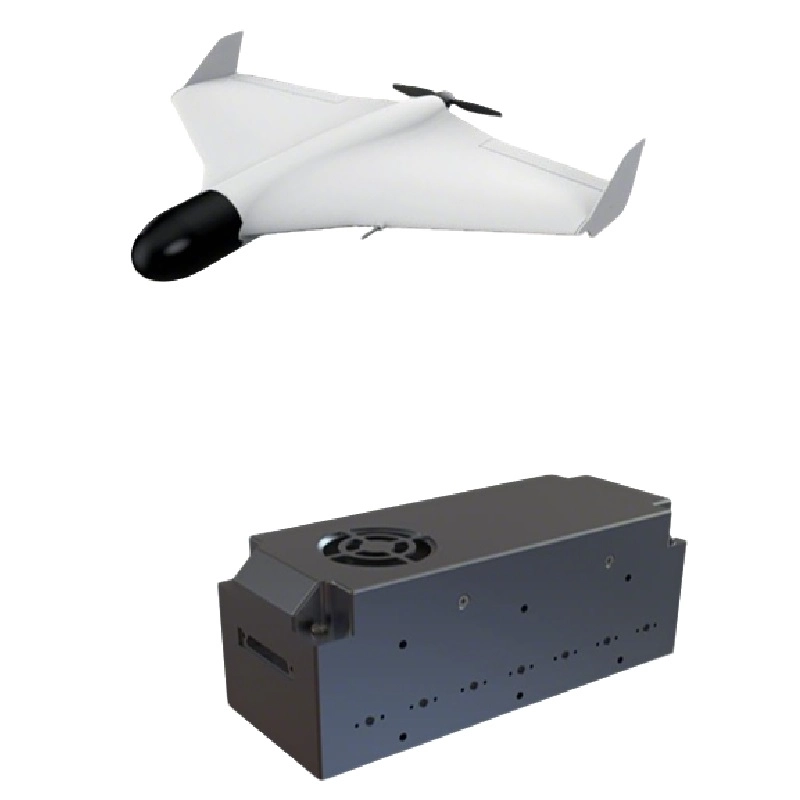
Closed-loop mediumshort-range air defense analysis of the integrated architecture of early warning, fire control and strike subsystems
In a closed-loop medium/short-range air defense system, early warning acts as the base for every next step in handling threats. The linked defense setup depends on stacked levels of sensing and communication tools. These tools make certain of quick spotting and reaction inside a 10 km area. Radar systems stand as the front barrier. They keep checking for flying dangers at low heights, like UAVs, helicopters, and ground-based aims. These radar parts use active electronically scanned arrays (AESA) or pulse-Doppler methods. They spot and follow many targets at the same time. This works even in busy settings. Their skill in finding objects with small radar cross-section (RCS) plays a big part in today’s anti-UAV system designs. Without this, small threats could slip by unnoticed. Helping the radar spotting are networks of sensors. They include electro-optical, infrared, and acoustic types. These sensors gather and check data right as it happens. Such groups of sensors build a better grasp of what’s going on around. They blend data flows into one clear view of dangers. By using strong signal handling steps, false warnings go down. At the same time, the correctness of spotting goes up. This holds true in bad weather or when dealing with electronic blocks. In addition, these sensors can work together to cover blind spots that radar might miss. This team effort makes the whole system more reliable day and night. Communication connections build the binding part of the early warning area. Fast digital data paths send target positions and type info to fire control spots. They do this with very little delay. This smooth passing of data makes sure that when a threat appears within 10 km, its path and purpose get checked almost right away. The fire control area takes care of this. This kind of linking changes single sensors into a smart web. It can predict dangers and give early hints for action. Moreover, these links often have backups. They step in if the main ones fail. This adds extra safety to the network. Teams can trust it in high-stakes moments. What Are the Key Functions of Fire Control in a Closed-loop Defense System? Fire control serves as the main center for choices. It sits in the closed-loop link that joins early warning finds to strike carries. It pulls together data coming in from sensors. Then, it does threat checks and sets priorities in real time. It uses built steps that weigh things like target speed, height, path coming in, and chance of damage. This auto check lets workers pay attention to top items or dangers that are near first. They avoid wasting time on small issues. The process of making choices goes further into giving out fire and picking times for action. Fire control looks at figured threat ranks. From there, it hands jobs to ready blockers or energy tools that aim. It also plans the best way to use ammo over several starters. This keeps replies balanced. It stops supplies from running out during heavy hits. On top of that, it thinks about how many threats come at once. This smart spread helps in long fights. Linking with strike areas allows for team replies. This happens through steady feedback rounds. Once action starts, fire control watches blocker paths. It uses signal updates to do so. It also changes guide orders as needed. The aim is to raise the chance of a hit. In the end, it seals the work round from spot, choice, to end. This makes a guard that fixes its own issues. It matches the style of current linked defense systems. Such traits make it fit for real-world use. Operators train on it to handle various scenes. How Does the Strike Subsystem Execute Target Interception? The strike area turns battle choices into actions using force or no force. It goes after enemy targets inside a 10 km space. It picks ammo based on job needs. These picks fit certain kinds of targets. For example, burst missiles tackle UAV groups. Rounds with near fuses deal with helicopters. Guided shots with care handle surface dangers. Each type suits the job well. Guide systems hold a key spot in making sure of exact hits. Semi-active radar homing (SARH), infrared seekers, or command-to-line-of-sight (CLOS) guide ways keep the hold firm. They manage this even with electronic mix-ins. In fights at close range, light following pairs with inner path systems. This makes the final guide work better. It leads to stronger outcomes in short bursts. Feedback rounds finish the strike turn. They send back info after the action to fire control spots. These rounds check key points of job success. They cover odds of impact and threat left. Data from each block adds to steps that learn and change. These steps make aim plans better for later. This lifts the whole system’s work through repeated fixes. Over time, it gets more sharp and saves effort. Teams see fewer misses as it grows. What Are the Differences Between Regional Defense and Focused Directional Defense? Regional defense puts focus on covering large areas. It places radar points and starter units spread out over many parts. This setup gives guard in all directions. It stands against spread or hard-to-guess breaks, like UAV group hits. Its strong point is in having extras. If one point gets hit or blocked, the others keep the watch steady. This means no gaps in coverage. It works great for open lands with many risks. Focused directional defense gathers tools along main lines. These lines include spots like airfields, command hubs, or paths for key structures. It sets sensors and arms toward expected danger ways. This brings more blocks in one spot and quicker replies in set fight areas. It shines when threats point one way. Resources go where needed most. Battle picks between these setups rely on work goals. Regional ones like steady block over big areas. Directional ones do well at keeping safe high-worth items in focused hit cases. Mixed places often mix both ways. They even out bend with guard strength. Many groups choose based on the site and likely dangers. This keeps options open. How Does Skypath Contribute as a Missile Patrol Supplier? Skypath takes a vital part in pushing missile patrol skills ahead. It draws on its know-how in linked defense answers made for medium/short-range uses. The company’s line-up holds radar-guided interceptors, starter bases that fit modules, and forward fire control systems. These build for working across nets of joined forces. Skypath also gives custom fits. They match what users need in their spots. As a missile patrol provider, Skypath lifts linked defense setups. It makes easy team work among early warning sensors, order parts, and strike tools. Its systems back growing setups that fit both wide regional watch and aimed directional ones. This makes sure they adjust to many work places. From rough fields to busy zones, they hold strong. Skypath tests them in real spots. This checks how they team up. With steady new work in anti-UAV system design and self-action rules, Skypath adds a lot. It helps raise closed-loop quick replies and trust in hard fight spots. They train users too. This builds skill in the field. Their supply line keeps parts on hand. It cuts waits for repairs. In all, Skypath helps make tougher guards around the world. Clients value the support. It goes beyond just gear. Conclusion The closed-loop medium/short-range air defense framework shows how linking across early warning, fire control, and strike sections builds a smart guard world. It runs quick on its own in fight areas. By joining spot care with choice quickness and hit rightness under one solid setup, these systems hit steady block work against air dangers that shift. They keep work bend through set regional or directional place ways backed by forward providers like Skypath. This style fits many uses. For edge watches, it stops bad entries. In camps, it shields tools and folks. Skypath adds more than parts. They give setup tips. They update code for new risks too. Groups using it see less stops. All told, the frame gives a firm ground for safety in rough times. It grows with new tech. This keeps users one step ahead of harms. In the end, it sets a high bar for defense needs. FAQs on Closed-loop Medium/Short-range Air Defense Systems What is the primary mission of these defense systems? The primary mission is intercepting UAVs, helicopters, and ground targets operating within a 10 km range using coordinated subsystems that ensure fast reaction time and high kill probability. These setups guard key spots from quick dangers. They act with speed and right aim. In practice, they save lives and gear. How do early warning systems integrate with fire control? Integration occurs through secure data relay channels that allow rapid transmission of sensor information from detection units to fire control processors. This enables immediate threat evaluation followed by automated engagement decisions without human delay. The tie speeds the path from find to move. It cuts risks down fast. What are the benefits of using a closed-loop architecture? Closed-loop architectures improve coordination among subsystems—early warning feeds directly into fire control decisions which then trigger precise strike responses based on continuous feedback analysis—resulting in efficient threat neutralization with minimal resource expenditure. They link parts well. This saves time and costs. Teams run smoother with less waste.
Learn More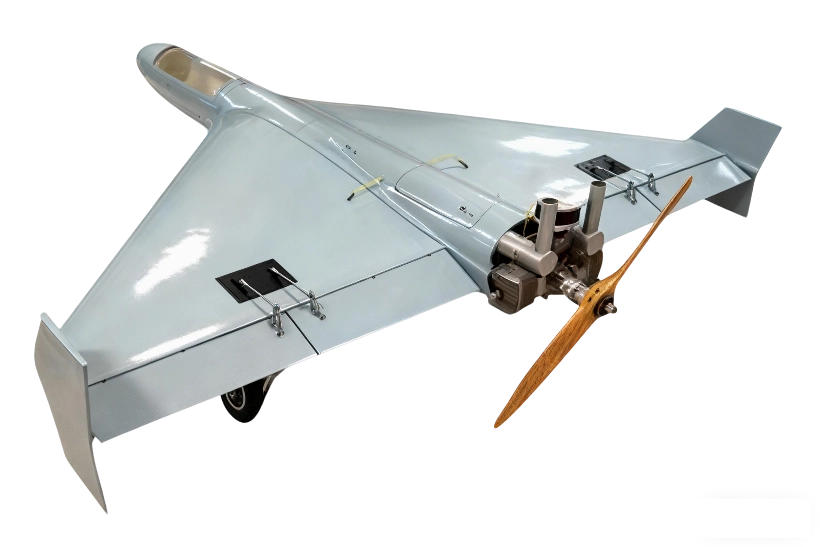
Iran Shahed Drone Inventory 2026: How SkyPath’s Shahed-136 Evolved-X2500 Could Redefine Loitering Munitions in the US-Iran Conflict
Those monitoring Gulf operations in early 2026 have watched the Iran Shahed drone inventory 2026 with particular attention. Production sites have taken hits, yet dispersed lines continue turning out hundreds of units each week. More than 2,100 Shahed-136 variants have already flown in anger since late February, striking facilities from Bahrain to the UAE. The numbers hold steady because the original platform remains inexpensive to build and simple to launch in volume. Each sortie forces layered air defenses to burn through multimillion-dollar interceptors, and that equation has not changed. Sustained pressure has laid bare the operational limits of the baseline design. The Shahed-136 Evolved-X2500 was developed specifically to close those gaps while keeping the cost structure that makes saturation attacks practical. The platform retains the familiar delta-wing layout and piston propulsion, then adds modern guidance layers, selectable sensors, and active emitter suppression. The outcome is a system that reaches farther, decides faster, and survives better in the electronic warfare environments now common across the region. The Scale of Iran’s Shahed Operations in 2026 Weekly output from Iranian facilities, even after targeted strikes, still supports rapid replenishment. Teams tracking open-source imagery and regional reporting place current stockpiles in the thousands, with fresh airframes rolling out steadily. The low unit cost—roughly twenty thousand dollars in many estimates—creates a persistent mismatch. One drone can tie up assets worth orders of magnitude more. That imbalance has defined recent engagements across the Persian Gulf. On 28 February, a mixed wave reached Naval Support Activity Bahrain. Most rounds were engaged, yet a single penetrator damaged a key radar installation. The incident illustrated a recurring pattern: volume overwhelms early-warning nets, but follow-on precision suffers when electronic countermeasures tighten. The Iran Shahed drone inventory 2026 continues feeding those waves, and commanders on both sides have adjusted expectations accordingly. Where the Original Design Falls Short Repeated theater experience has highlighted three consistent vulnerabilities in the baseline Shahed-136. Satellite navigation remains fragile once jamming begins, especially over water or near urban clutter. The seeker head lacks the resolution and autonomy needed against mobile or radar-protected targets. Most critically, the platform cannot suppress the very emitters that cue interceptors. Once a fire-control radar locks, attrition rates climb sharply. These constraints have surfaced in nearly every major exchange this year. Saturation still achieves area denial, yet the percentage of drones that reach assigned targets has declined as defenses integrate better electronic protection. The gap between launch numbers and actual damage has widened. That reality has driven demand for evolutionary upgrades capable of operating inside the same electronic warfare envelope. Core Specifications of the Shahed-136 Evolved-X2500 The X2500 extends every operational parameter without abandoning the airframe philosophy that proved effective. Maximum range reaches 2,500 kilometers. Cruise speed holds at 180 kilometers per hour, with dash capability to 210. Endurance stretches to 840 minutes—fourteen full hours aloft. Service ceiling sits at 4,000 meters, and the platform carries a 50-kilogram payload while maintaining circular error probable under three meters. Physical dimensions support rapid deployment. Wingspan measures 2.5 meters, fuselage length 3.4 meters, and height 0.8 meters. Folded for transport, the package shrinks to 1.34 by 0.55 by 0.39 meters. Empty weight of 160 kilograms leaves clear margin for mission-specific modules. These figures combine to deliver a loitering munition that loiters longer, reaches deeper, and delivers heavier effects than its predecessor while retaining the low radar signature operators have come to expect. The Anti-Radiation Seeker: Turning Radar into a Target The anti-radiation seeker has proven the most decisive addition for missions inside radar-dense environments. The module weighs under two kilograms and occupies 236 millimeters in diameter by 202 millimeters in length. Coverage spans 2 to 18 gigahertz, handling conventional pulse, pulse-compression, and frequency-modulated continuous-wave signals alike. Detection performance stands out in practice. Against a typical 10-kilometer radar, the seeker acquires the emitter from 100 kilometers away. Sensitivity reaches minus 75 decibels per milliwatt, with false-alarm rates below one in ten thousand and intercept probability above ninety percent. Search covers the forward hemisphere—plus or minus 90 degrees azimuth and plus or minus 45 degrees elevation relative to the flight path. Classification occurs in under a second. High-priority fire-control radars, including types such as AN/APG-68 or equivalent S-, X-, and Ku-band systems, receive immediate attention. Transition from search to track mode completes in 50 milliseconds or less. Guidance data follows standard protocols, allowing direct handoff to the inertial suite for terminal guidance. Emitter classification accuracy during autonomous scan exceeds 95 percent. In theater engagements, the seeker changes the sequence. A defending radar that illuminates to guide surface-to-air missiles now reveals its own position. The Shahed-136 Evolved-X2500 can remain at safe standoff, wait for activation, then close while companion platforms draw attention elsewhere. The effect opens corridors for follow-on strikes at far lower overall cost. Defense planners who once counted on radar dominance now face the prospect of losing those same assets to a passive, low-cost platform. Gulf operations have already demonstrated the requirement. Whenever early-warning nets activate against incoming swarms, the same radars become beacons. A seeker that exploits that moment without emitting its own signal adds survivability the original Shahed-136 never possessed. Complementary Modules That Complete the Package Supporting systems enhance the seeker’s effectiveness. A 100-millimeter dual-mode electro-optical and infrared pod supplies day-and-night confirmation. Visible-light resolution reaches 3,840 by 2,160 pixels; the thermal channel uses 640 by 512 pixels with an 8-to-12-micrometer detector. Detection extends to 2,000 meters in daylight and 1,500 meters in infrared, with recognition at slightly shorter ranges. Stabilization accuracy holds to 0.1 milliradian, and gimbal travel covers wide arcs in both axes. When satellite signals vanish, the vision-plus-inertial navigation module maintains course. It fuses visual positioning with high-precision MEMS inertial data and an integrated satellite receiver. Automatic mode switching keeps positioning within 15 meters even under full jamming or spoofing. The module has reached technology readiness level 7, with full-scale validation complete and a documented path toward progressive localization. Electronic countermeasures complete the suite. The anti-jamming family protects GNSS bands with ratios above 100 decibels against single sources and retains strong performance under multiple simultaneous threats. Power consumption remains modest, and the design supports embedded receivers plus RTCM corrections. An optional stealth coating reduces radar cross-section across 2-to-18-gigahertz bands using an ultra-thin 0.4-to-0.6-millimeter layer. For missions requiring enhanced return to friendly sensors, a Luneburg lens reflector can increase visibility without active emission. All modules integrate through standardized interfaces. Operators select only the functions required for each sortie, controlling weight and cost while matching the exact threat profile. Production and Support Infrastructure The entire support chain was structured for field-level deployment. A complete fiberglass production line—including cutting machines, autoclaves, and hot-press forming equipment—can be installed for approximately two million dollars and begins delivering full-size airframes up to 3.5 meters within 100 days. Molds for both reconnaissance and attack variants ship with the package, along with engineer training. Maintenance gear follows the same practical approach. Fueling units, battery cyclers, engine test stands, center-of-gravity measurement rigs, launch control boxes, and magnetic calibration tables arrive with clear specifications and field-ready packaging. A parachute recovery system rated for 150-to-180 kilograms adds a recovery option for training flights or emergency landings. The entire kit is sized for dispersed units rather than centralized depots, aligning with the operational tempo observed in regional campaigns. Strategic Implications for Current and Future Operations Combining extended range with precision guidance and emitter suppression opens new planning options. Instead of depending solely on volume, commanders can allocate a portion of the strike package to radar suppression while the remainder exploits the resulting gaps. Once key emitters fall silent, overall attrition drops sharply. The cost equation improves because one successful anti-radiation engagement can protect dozens of follow-on platforms. Procurement teams already operating low-cost loitering munitions will recognize the advantage. Existing launch infrastructure usually requires only minor adaptation. Training emphasis shifts toward mission planning rather than manual piloting, since the core autonomy manages most flight phases. The modular design allows organizations to scale capability as budgets and threat levels evolve. About SkyPath SkyPath UAV operates from headquarters in Singapore with manufacturing and integration facilities located across Southeast Asia. The engineering roster includes 13 specialists holding doctoral degrees and 21 holding master’s degrees, all focused on sensor fusion, autonomous navigation, and electronic warfare integration. Monthly production capacity exceeds 1,000 professional-grade platforms, built under controlled processes that satisfy defense-grade quality standards. The company’s focus remains on delivering reliable performance in contested environments. Every system incorporates proven autonomy and countermeasures to support border security, counter-unmanned-aircraft missions, and precision strike roles. Full control over design, manufacturing, and testing enables consistent quality while offering configuration flexibility to government and defense customers worldwide. Conclusion The Iran Shahed drone inventory 2026 continues to influence daily operations across the Gulf region. The original platform forced a fundamental reassessment of air-defense economics, yet its limitations have grown more apparent under sustained electronic pressure. The Shahed-136 Evolved-X2500 closes those gaps without sacrificing the affordability that made saturation viable. Extended reach, modular payloads, and especially the anti-radiation seeker create a platform suited to both volume attacks and targeted suppression. Organizations evaluating long-endurance strike systems now have a practical upgrade path. The specifications, support ecosystem, and production model align directly with the operational realities already in play and with those expected in future campaigns. FAQs How does the anti-radiation seeker on the Shahed-136 Evolved-X2500 improve performance against integrated air defenses? The seeker passively locates emitters across 2 to 18 gigahertz at distances up to 100 kilometers, then classifies and tracks them in under 50 milliseconds. This allows the platform to suppress radars that would otherwise guide interceptors, opening corridors for the rest of the strike package. What navigation options keep the X2500 accurate when GPS signals are jammed in a conflict zone? A vision-plus-inertial module fuses visual positioning with high-precision MEMS inertial data and an integrated satellite receiver. The system switches automatically between modes and maintains positioning within 15 meters even in fully denied environments. How many kilometers can the Shahed-136 Evolved-X2500 actually fly on a single mission? Maximum range reaches 2,500 kilometers at a cruise speed of 180 kilometers per hour. Endurance extends to 840 minutes, giving operators the flexibility to loiter, reposition, or strike deep targets without refueling. Why would procurement teams choose the X2500 over basic loitering munitions for radar-heavy environments? The anti-radiation capability directly addresses the most common failure point in current operations: detection by defending radars. Combined with a 50-kilogram payload and sub-three-meter accuracy, the platform delivers both volume saturation and precision suppression at a cost point that supports sustained campaigns. What production setup is required to manufacture the fiberglass airframe of the Shahed-136 Evolved-X2500 locally? A complete line including cutting machines, autoclaves, hot-press forming equipment, and full-size molds can be installed for approximately two million dollars and begins producing airframes up to 3.5 meters within 100 days. Training and testing equipment are included for rapid operational readiness.
Learn More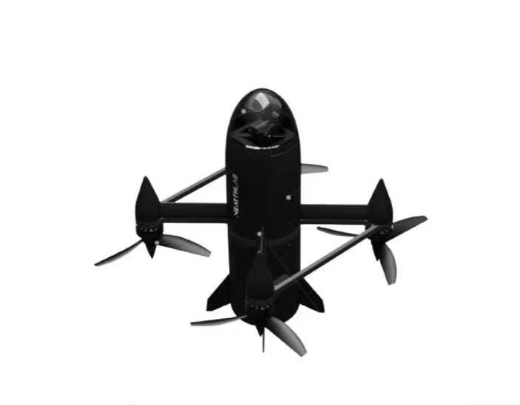
Defending Against Iran Shahed Drone Swarms in 2026: How SkyPath’s Electric Interceptor Closes the Air-Defense Gap in the US-Iran Conflict
Teams watching Gulf airspace operations in early 2026 have tracked the Iran Shahed drone defense 2026 challenge intensifying almost daily. Over 2,100 Shahed-136 airframes have crossed into allied zones since late February, with new waves reaching targets ranging from Bahrain naval installations to UAE port infrastructure. Even after precision strikes on production nodes, dispersed facilities maintain output in the hundreds per week. The fundamental imbalance persists: each inexpensive drone compels defenders to expend interceptors costing millions, and the cycle repeats until munitions stocks or funding begin to constrain response options. Electronic warfare achieves solid results against many incoming platforms, but variants with sufficient onboard autonomy or anti-jamming hardening continue to reach their objectives. When suppression no longer suffices, physical destruction becomes the remaining effective measure. SkyPath engineered its Electric-Powered Interceptor—frequently referred to as the rocket-shaped kinetic counter-UAS platform—precisely for those engagements. Vertical containerized launch, electric ducted fan drive, AI-assisted infrared target lock, fused multi-sensor detection, and a proximity-fuzed directed fragmentation warhead together provide an economical, on-call kinetic solution against mid-altitude loitering munitions up to 5,000 meters. The Persistent Threat: Shahed Swarms in the Current Conflict Iranian drone activity in 2026 follows a well-established pattern. Manufacturing remains distributed across hardened and mobile sites, allowing steady replenishment despite periodic targeting. Open-source analysis and regional reporting place existing stockpiles in the thousands, with weekly additions measured in the hundreds. Production cost estimates remain in the low tens of thousands of dollars per unit, while each launch forces defensive systems to commit resources orders of magnitude more expensive. The February 28 engagement at Naval Support Activity Bahrain illustrated the recurring dynamic. Interceptors neutralized the majority of the salvo, yet a single breakthrough damaged a primary radar installation and interrupted communications for several hours. Comparable events have occurred at UAE facilities: low, slow drones powered by distinctive piston engines exploit radar blind spots and electronic countermeasures limitations. Saturation remains viable because every track must be addressed, and the cost disparity consistently favors the launching side. Why Traditional Layers Struggle Against Hardened Shahed Variants Electronic countermeasures produce high engagement probabilities against platforms dependent on satellite navigation. Jamming or spoofing typically causes drift or mission abort in those cases. Variants equipped with inertial navigation, visual terrain correlation, or fully autonomous pre-programmed routes, however, maintain course even under heavy denial. Data collected from contested environments indicate that up to 78 percent of commercial drone operations fail in intense jamming zones, whereas military loitering munitions engineered for degraded conditions show markedly higher completion rates. High-end surface-to-air systems encounter their own limitations during prolonged campaigns. Each intercept consumes missiles valued in the millions, while the incoming threat costs a small fraction of that amount. Replenishment cycles cannot always match expenditure when threats arrive in volume. The shortfall becomes most pronounced at mid-altitudes, where radar detection range shortens and electronic warfare effectiveness decreases. Procurement specialists now seek an affordable kinetic layer capable of bridging the space between electronic suppression and conventional air-defense missiles. Introducing SkyPath’s Electric Interceptor: Core Specifications The SkyPath Electric Interceptor features an aerodynamically refined rocket-shaped body combined with four-fin stabilization. Electric ducted fan propulsion enables quiet acceleration and rapid climb to engagement altitudes up to 5,000 meters. Operational radius extends to 30 kilometers, with loiter duration reaching 12 minutes at cruise. Terminal interception speed achieves 250 kilometers per hour. Launch occurs vertically from protected containerized tubes, permitting on-demand activation with limited operator involvement. The warhead delivers directed blast fragmentation in a non-incendiary configuration, controlling effect while reducing collateral exposure. Acoustic and visual signatures remain minimal throughout the flight profile. The platform functions reliably in GNSS-denied airspace through integrated sensor fusion and onboard AI guidance. Compact dimensions facilitate mobile employment. The rocket profile fits standard launch containers, and the ducted fan configuration keeps noise levels below thresholds that trigger distant acoustic detection arrays. These attributes suit layered defense at forward operating bases, naval platforms, or fixed critical infrastructure locations. Key Technologies Driving Effective Shahed Interception Acoustic Detection as the First Line of Awareness Shahed airframes depend on small piston engines that generate a characteristic two-stroke acoustic signature detectable at extended range. Purpose-built sound detectors capture that footprint well before visual or radar contact establishes. During nighttime Gulf operations, acoustic cueing has enabled interceptors to launch while threats remained outside primary radar engagement envelopes. Passive acoustic monitoring paired with rapid handoff to the interceptor shortens overall reaction time, particularly under low-visibility conditions. Multi-Sensor Fusion for Reliable Tracking The interceptor combines visible-light imaging, long-wave infrared, and compact radar into a unified detection pipeline. Visible and infrared channels provide day-night and adverse-weather tracking capability, while radar maintains lock through electronic clutter. Real-time fusion algorithms balance sensor inputs, generating stable target tracks even when individual channels experience degradation. In littoral or urban settings—environments frequently encountered in the current conflict—this multi-modal approach sustains performance where single-sensor systems degrade rapidly. AI-Driven Infrared Target Lock for Autonomous Pursuit Onboard artificial intelligence analyzes infrared signatures to classify and acquire Shahed-class threats. The algorithm fuses radar and electro-optical data, then directs the platform through pursuit and terminal phases with minimal human oversight. After lock confirmation, the interceptor executes autonomous closure. This level of autonomy reduces crew workload during multi-track engagements, a situation already observed in recent Gulf operations. Proximity Fuze and Directed Blast for Clean Kinetic Kills The electronics proximity fuze activates at the calculated optimal standoff, releasing a shaped fragmentation pattern oriented toward the target. Non-incendiary construction limits secondary fire hazards. Field experience shows this method achieves high destruction probability against mid-altitude drones while constraining unintended effects—a priority when protecting populated zones or sensitive assets. Compared with omnidirectional blast-fragmentation designs, the directed pattern improves kill efficiency and reduces collateral footprint. Deployment Realities and Cost Advantages Containerized launchers install on wheeled platforms, vessels, or static emplacements. Each tube carries multiple interceptors prepared for immediate vertical release upon command. Activation requires only basic cueing from the fusion suite—no elaborate radar handover necessary. In GNSS-denied conditions the system defaults to inertial and visual navigation, preserving operational viability. Cost remains the overriding advantage. A single interceptor expends significantly less budget than a conventional surface-to-air missile. Forces facing repeated saturation attacks can maintain defensive posture longer without depleting high-value munitions reserves. The subdued acoustic and visual profile further lowers the probability of launcher detection during nighttime or low-visibility operations. Production and Field Sustainment SkyPath sustains manufacturing and integration capacity across Southeast Asia with emphasis on repeatable defense-standard processes. The engineering staff—13 doctoral specialists and 21 master’s-level engineers—oversees sensor fusion, autonomous guidance, and counter-unmanned aircraft technologies internally. Monthly throughput exceeds 1,000 professional-grade platforms, backed by supply chains that adhere to rigorous quality controls. Sustainment follows a field-centric model. Battery management units, diagnostic interfaces, and launch-tube calibration tools ship as standard equipment. Training prioritizes mission planning over detailed piloting skills, given that core autonomy handles the majority of flight control. The structure accommodates organizations requiring swift fielding and continuous operations in remote or contested areas. Strategic Value in the 2026 Conflict Environment Effective layered defense emerges when electronic countermeasures integrate with economical kinetic interceptors. Commanders direct interceptors against threats that penetrate jamming, conserving longer-range or higher-priority missiles for appropriate targets. Overall defensive attrition decreases, while the expenditure curve shifts toward sustainability. Procurement teams managing existing counter-UAS portfolios will recognize immediate benefits. Current sensor networks supply targeting data with limited modification. Modular launch hardware scales according to threat density without demanding new infrastructure. During extended campaigns, the capacity to conduct repeated kinetic engagements without accelerated budget depletion constitutes a meaningful operational advantage. About SkyPath SkyPath UAV maintains headquarters in Singapore with production and integration facilities distributed across Southeast Asia. The company employs a dedicated team comprising 13 doctoral-level experts and 21 master’s-degree engineers specializing in artificial intelligence perception, sensor fusion, autonomous navigation, and counter-unmanned aircraft systems. Monthly production capacity surpasses 1,000 professional-grade platforms, manufactured under controlled processes that meet defense-industry quality requirements. The organization focuses on delivering dependable performance in contested environments. Every platform incorporates validated autonomy and countermeasures to support border protection, counter-drone missions, and critical infrastructure defense. Complete ownership of design, production, and testing processes enables consistent quality standards and adaptable configurations for government and defense clients worldwide. Conclusion Iran Shahed drone defense 2026 requires capabilities beyond electronic countermeasures alone. Platforms with sufficient hardening continue to penetrate when jamming proves insufficient, compelling defenders to rely on physical neutralization. The SkyPath Electric Interceptor addresses that specific need through a low-cost, on-demand kinetic option. Acoustic cueing, multi-sensor fusion, AI-directed lock, and proximity-fuzed directed fragmentation together enable consistent intercepts against mid-altitude threats. Organizations assessing layered counter-UAS architectures now possess a realistic solution that preserves expensive assets while preserving affordability. The technical specifications, deployment approach, and manufacturing ecosystem correspond directly to the operational conditions observed in the present conflict and to those projected for future engagements. Procurement teams exploring integration of this interceptor into current defense frameworks may contact SkyPath through the website for detailed technical data, demonstration arrangements, or tailored configuration discussions. FAQs How do you stop Shahed drones when electronic jamming stops working in 2026? When hardened Shahed variants evade electronic suppression, a kinetic interceptor equipped with proximity fuze and directed blast fragmentation provides reliable physical destruction at mid-altitudes up to 5,000 meters. What sensors detect incoming Shahed swarms during night operations or poor visibility? The SkyPath Electric Interceptor relies on fused visible-light, infrared, radar detection, and acoustic signature recognition to sustain accurate tracking in low-light, adverse weather, and GNSS-denied conditions. How does the proximity fuze on the SkyPath interceptor improve destruction of loitering munitions? The electronics proximity fuze detonates a shaped fragmentation pattern at the calculated best standoff distance, maximizing target damage while significantly reducing collateral effects compared with traditional warheads. Why select an electric ducted fan interceptor for Shahed defense instead of conventional missiles? Electric propulsion offers silent ascent, rapid climb, and minimal acoustic signature at a much lower cost per engagement than high-end surface-to-air missiles, making it viable for high-volume saturation scenarios. How long does the SkyPath Electric Interceptor remain available to engage a Shahed-class threat? Loiter duration reaches up to 12 minutes within a 30-kilometer operational radius, allowing adequate time for detection, pursuit, and terminal intercept against mid-altitude targets.
Learn More
SKYPATH Foldwing Anti-Radiation Seeker Loitering Munitions for Radar Attacks Post-Bahrain Incident
The February 28, 2026, strike at Naval Support Activity Bahrain changed the conversation around radar defense in forward-deployed locations. Footage that spread quickly online captured a Shahed-type drone flying low toward a large white radome at the Fifth Fleet headquarters in Manama, the impact producing a bright flash followed by thick black smoke rising over the base. Reports from CNN, Defense One, Al Jazeera, and Stars and Stripes detailed the event as one piece of Iran’s broader retaliation after U.S.-Israeli operations targeted sites inside Iran. Coalition air defenses intercepted numerous missiles and drones across the Gulf, yet the Shahed that reached the naval facility demonstrated how persistent, low-speed threats can slip through even layered protections. Base personnel and contractors evacuated to nearby hotels for safety while damage assessments confirmed hits near critical structures. Events like this sharpen focus on loitering munitions equipped with anti-radiation seekers. These systems orbit over potential target areas, wait passively for radar emissions, and strike when the emitter activates. The Foldwing Series from SKYPATH UAV delivers this capability in configurations suited to high-threat environments, providing a reliable option for radar attack missions highlighted by the Bahrain penetration. Bahrain Incident Revealed Gaps in Radar Protection Iranian forces launched a mix of ballistic missiles and one-way attack drones toward U.S. positions in Bahrain, Qatar, Kuwait, and the UAE that Saturday. Intercepts handled many threats, including several Shahed-136 variants, but the drone that breached Naval Support Activity Bahrain followed a profile difficult to counter in real time—low altitude, modest speed, extended flight time. Video evidence showed it nearing the Fifth Fleet area, striking what appeared to be a radar or communications dome, with smoke plumes visible from multiple angles. Initial reports noted no U.S. casualties, but infrastructure damage led to temporary base restrictions and personnel relocations. Several factors stand out. Radar systems supply vital early warning and targeting data, but active transmission creates a detectable signature for passive homing weapons. The economic disparity is clear—a Shahed platform costs far less than the radar infrastructure it can degrade or destroy. This imbalance drives procurement teams to seek proactive suppression tools rather than purely defensive measures. The Bahrain case, amid saturation tactics, shows how inexpensive drones exploit focus on faster inbound threats, creating exploitable windows in defended zones. Anti-Radiation Seekers Enable Passive Radar Engagement Anti-radiation seekers reverse the usual detection game. The seeker scans passively across radar frequency bands, capturing emissions from search, acquisition, or fire-control radars without sending out its own signals. Onboard processing compares signal characteristics—pulse repetition rates, frequency agility, waveform details—against stored threat libraries to classify and prioritize. In loiter phase, the munition maintains position using inertial guidance fused with visual terrain matching. This approach keeps navigation accurate without satellite input, vital in jammed or GPS-denied settings. Lock-on happens when emissions align with criteria, algorithms weighing signal strength and threat value. Terminal guidance refines to sub-meter levels, directing the vehicle to the antenna array, control van, or power source. Experience from recent operations confirms the range and effectiveness. Seekers typically acquire emitters at standoff distances, often beyond immediate countermeasure reach. In electronically contested airspace, the passive operation shortens warning time, limiting the target’s ability to shut down or relocate before impact. Foldwing Series Design for Radar Attack Roles The Foldwing Series—Phantom Razor 110, 165, and 180 models—builds around guidance that withstands denial efforts. AESA seeker integration supports all-weather multi-target tracking and jamming resistance, while the platform’s framework accommodates radar-homing modes aligned with suppression requirements. Tandem folding wings allow compact storage and field deployment. The Phantom Razor 110 weighs 5.5 kilograms total, including a 2-kilogram multi-mode warhead, and launches from individual tubes carried by a single operator. The 165 variant extends range to 100 kilometers with cruise speeds above 198 km/h; the 180 reaches 200 kilometers at over 162 km/h, enabling placement farther into contested areas. Navigation relies on fiber-optic gyroscope inertial units combined with visual-inertial fusion, delivering sub-meter precision absent GPS. This sustains prolonged orbits over designated zones until radar emissions activate the seeker, followed by rapid terminal descent. Warhead flexibility matches varied targets. Impact mode provides direct structural damage to antennas, proximity fusing generates fragment patterns against arrays, delayed detonation penetrates hardened enclosures. The 2-kilogram payload on lighter models concentrates energy against components, with greater effects scaled on heavier variants. Deployment fits distributed operations. Bee Colony vehicle-mounted boxes reload rounds in under 30 seconds, achieving full salvo readiness in less than 90 seconds. Fiber-optic remote control within 100 meters offers low-latency management in elevated-threat zones, while all-electric propulsion reduces acoustic and thermal footprints during approach. Scenarios for Radar Attack in Integrated Defenses Consider an enemy air defense network shielding maneuver forces: early-warning radars feed acquisition units that cue fire-control systems. Standard suppression often depends on standoff missiles or manned aircraft, each involving substantial risk and cost. Foldwing alters the equation. Operators select an overwatch area from intelligence sources. Launch follows, ascent occurs, loiter begins. Radar activation to scan draws seeker lock, classification verifies, and attack initiates. Descent compresses reaction time. Successful engagement silences the emitter, opening corridors for follow-on assets. In coordinated strikes, multiple units share tasks. One orbits to provoke emissions; others deliver sequenced hits. Disruption spreads through the network, hindering enemy coordination. The Bahrain incident reflects similar patterns: a single low-cost drone capitalized on defenses oriented toward higher-speed threats. Persistent passive homing extends that principle, combining dwell time with precision. Foldwing Advantages in Suppression Missions Conventional anti-radiation missiles typically commit based on pre-launch intelligence, risking expenditure if the emitter ceases transmission or moves. Loitering extends observation, committing only on confirmed radiation and improving kill probability against intermittent or mobile radars. Portability reshapes tactical employment. Tube-launch brings suppression to infantry, special operations, or small vehicle teams without dedicated launchers. Electric drive and low signatures facilitate stealthy positioning, while AI-assisted recognition—validated above 99% reliability—minimizes collateral concerns. Man-in-the-loop channels maintain final human oversight where operational rules require it. Engagement economics support wider use. A single platform addressing multiple emitters sequentially over extended periods reduces total expenditure compared to missile salvos. These attributes factor prominently in acquisition evaluations. SKYPATH UAV: Supplier of Military Unmanned Systems SKYPATH UAV provides complete unmanned aerial and counter-UAS solutions to government, defense, and law enforcement organizations. Headquartered in Singapore, with manufacturing and integration facilities distributed across Southeast Asia, the company oversees development from design to field deployment. The engineering team includes 13 PhD-level specialists and 21 with master’s degrees, specializing in AI perception, flight control, sensor fusion, autonomous logic, precision guidance, and anti-jamming methods. Production exceeds 1,000 professional-grade units monthly, supported by repeatable processes that maintain quality under stringent requirements. Platform capabilities encompass long-range autonomous flight, sub-meter navigation in denied environments, AI target recognition reliability over 99%, and ranges up to 2,500 kilometers on select models. AESA detection extends beyond 5 kilometers in applicable configurations, paired with circular error probable under 0.5 meters for precise engagements. Conclusion The Bahrain strike on February 28, 2026, underscored that radar emissions expose critical assets in modern conflicts. Loitering munitions with anti-radiation seekers transform that exposure into operational opportunity, delivering sustained overwatch and accurate suppression. The Foldwing Series advances this through resilient navigation, flexible deployment, and adaptable payloads tailored to radar attack needs. As threats develop, procurement specialists evaluating SEAD options prioritize platforms that combine endurance, autonomy, and cost control in demanding field conditions. Frequently Asked Questions How do anti-radiation seekers work in loitering munitions for radar attacks? Anti-radiation seekers passively detect radar emissions across bands, locking onto active sources without transmitting. In the Foldwing Series, this integrates with visual-inertial fusion and inertial navigation for positioning in jammed zones, achieving sub-meter accuracy on emitting radars. What makes Foldwing suitable for radar attack missions after events like Bahrain? Foldwing supports tube-launch on lighter models and rapid-reload vehicle boxes on larger ones. Folding wings and setup under 90 seconds enable forward deployment, addressing radar vulnerabilities seen in the Shahed strike at Naval Support Activity Bahrain. Which warhead configurations does Foldwing offer for radar suppression? Multi-mode warheads include impact for direct antenna strikes, proximity for fragment effects on arrays, and delayed for penetrating shelters. The 2-kilogram payload on Phantom Razor 110 focuses energy, with scaling on 165 and 180 variants. Why select Foldwing loitering munitions over traditional anti-radiation missiles for SEAD? Foldwing provides extended loiter to await radar activation, cutting premature commitment. Tube portability, jamming-resistant navigation, and lower costs fit distributed operations, especially when incidents highlight persistent radar suppression requirements. How does Foldwing achieve precision radar targeting without GPS? Fiber-optic gyroscopes fused with visual-inertial data deliver sub-meter navigation. This supports stable orbits and dives on detected emissions under electronic countermeasures, maintaining performance in contested electromagnetic environments.
Learn More
Anti-Radiation Loitering Munitions How SKYPATH Foldwing Targets Radars After Iran Bahrain Strike
The February 28, 2026, strike on Naval Support Activity Bahrain drove home how quickly radar assets turn into targets when they start radiating. Circulating footage captured a Shahed-type drone approaching low over Manama, closing on a prominent white radome at the Fifth Fleet headquarters before the impact produced thick smoke and visible damage. Reports from Defense One, CNN, Al Jazeera, and Stars and Stripes described the event as part of Iran’s retaliatory launches following U.S.-Israeli operations against Iranian sites earlier that day. Coalition defenses intercepted many missiles and drones across Bahrain, Qatar, Kuwait, and the UAE, but the Shahed that reached the base showed the limits of layered protection against slow, low-flying one-way attack platforms. Personnel evacuations followed, with contractors and service members moved to hotels, while assessments confirmed structural hits near key facilities. Incidents of this kind keep pushing attention toward loitering munitions fitted with anti-radiation seekers. Platforms that orbit quietly, pick up emissions passively, and commit only when the radar lights up provide a measured way to handle the vulnerabilities laid bare in Bahrain. The Foldwing Series from SKYPATH UAV incorporates this kind of guidance in a package built for real-world contested use. Bahrain Strike Highlighted Radar Exposure in Forward Deployments That Saturday saw Iranian forces dispatch ballistic missiles alongside Shahed drones toward multiple U.S.-hosted sites in the Gulf. While intercepts handled large numbers—including many Shahed-136 variants—the drone that breached Naval Support Activity Bahrain flew a profile that exploited gaps: low altitude, modest speed, and persistence. Video showed it nearing the Fifth Fleet area, striking what looked like a radar or communications dome, with dark plumes rising afterward. No immediate U.S. casualties surfaced in initial reporting, but damage to infrastructure prompted base closures and relocations. Several points stand out from the event. Radars deliver critical cueing and coordination, yet transmission makes them detectable at standoff ranges for passive systems. The economic mismatch remains stark—a Shahed costs a fraction of the radar it can disable or degrade. Procurement groups now factor this asymmetry into planning, seeking assets that can preemptively quiet emitters rather than wait for hits. The Bahrain penetration, amid saturation tactics, illustrates how inexpensive drones create pressure points even in defended zones. How Anti-Radiation Seekers Engage Radar Emitters Anti-radiation seekers shift detection to the target’s own signals. The seeker scans passively across bands, capturing search, acquisition, or tracking emissions without broadcasting its presence. Signal parameters—pulse repetition, frequency hop patterns, waveform—feed into classification against onboard libraries. During loiter, the munition holds position through inertial reference tied to visual terrain correlation. This fusion maintains track without satellite dependency, critical under jamming. Lock occurs when emissions match criteria, with algorithms sorting by strength and priority. Descent tightens guidance to sub-meter levels, steering toward the antenna face, shelter, or power unit. Operational data from various conflicts confirm range advantages. Seekers often acquire at several kilometers, frequently beyond ground-based countermeasure reach. In heavy electronic environments, the absence of outgoing signals shortens warning windows for the emitter. Foldwing Series Approach to Anti-Radiation Radar Targeting The Foldwing Series—Phantom Razor 110, 165, and 180 configurations—centers on guidance resilient to denial tactics. AESA seeker integration handles all-weather tracking and jamming, while the baseline supports radar-homing modes tailored to suppression roles. Tandem folding wings enable compact carry and quick fielding. The Phantom Razor 110 totals 5.5 kilograms with a 2-kilogram multi-mode warhead, launching from individual tubes. The 165 variant pushes range to 100 kilometers at cruise speeds above 198 km/h; the 180 extends to 200 kilometers over 162 km/h, supporting deeper reach. Navigation combines fiber-optic gyro inertial with visual-inertial fusion for sub-meter precision absent GPS. This sustains extended orbits over suspect sites until emissions trigger the seeker, followed by swift terminal commitment. Warhead options adapt to target hardening. Impact mode suits direct antenna strikes, proximity covers fragment sweeps against arrays, delayed allows penetration into enclosures. The 2-kilogram charge on lighter models focuses against components, with greater scaling on heavier frames. Launch setups fit varied forces. Bee Colony vehicle boxes reload rounds in under 30 seconds, achieving salvo readiness below 90 seconds. Fiber-optic links permit remote oversight within 100 meters in elevated-threat zones, while electric propulsion limits detectable signatures on ingress. Engagement Examples in Radar-Heavy Networks Envision an integrated air defense overlay protecting maneuver elements: early-warning radars feed acquisition units that cue fire-control radars. Legacy suppression leans on standoff missiles or crewed sorties, each carrying notable risk and resource demands. Foldwing shifts the balance. A section designates an overwatch area from intel. Launch occurs, ascent follows, loiter begins. Radar activation to scan draws the seeker lock, classification confirms, and attack proceeds. Rapid dive compresses response time. Emitter silence opens lanes for follow-on elements. Coordinated use divides labor. One munition orbits to draw emissions; others sequence strikes. Disruption cascades through the network, complicating enemy tracking. The Bahrain case echoes this: a single low-cost platform exploited focus on higher-speed threats. Persistent passive homing builds on that, adding dwell and accuracy. Foldwing Edges Over Conventional Suppression Platforms Dedicated anti-radiation missiles often fire on cue, risking waste if the emitter shuts down or relocates. Loitering extends observation, committing only on confirmed radiation and raising engagement success. Portability reshapes unit capabilities. Tube-launch brings suppression to small teams or special operations without specialized vehicles. Electric drive and low signatures aid covert positioning, while AI recognition—validated above 99% in evaluations—reduces unintended effects. Override channels preserve human input on terminal phase where required. Per-engagement economics favor persistence. One unit engaging multiple intermittent or mobile radars over time lowers overall expenditure compared to missile barrages. These considerations weigh heavily in acquisition reviews. SKYPATH UAV: Provider of Professional Military Unmanned Systems SKYPATH UAV furnishes full-cycle unmanned aerial and counter-UAS solutions for government, defense, and law enforcement entities. Singapore headquarters oversee operations, with manufacturing and integration spread across Southeast Asia facilities. The staff comprises 13 PhD specialists and 21 master’s-degree engineers concentrating on AI perception, control systems, sensor integration, autonomous decision-making, precision guidance, and electronic warfare resistance. Production capacity exceeds 1,000 professional-grade units monthly, supported by controlled processes that deliver consistency to specification. Platform strengths include extended autonomous endurance, sub-meter navigation in denied settings, AI recognition reliability over 99%, and ranges reaching 2,500 kilometers on designated models. AESA detection surpasses 5 kilometers in relevant configurations, paired with circular error probable under 0.5 meters for engagements. Conclusion The Bahrain event of February 28, 2026, confirmed that radar radiation invites targeting in current operations. Loitering munitions with anti-radiation seekers convert that exposure into tactical advantage, supplying sustained surveillance and accurate suppression. The Foldwing Series progresses this through durable navigation, swift deployment configurations, and flexible payloads aligned with radar engagement needs. With threats progressing, procurement specialists assessing SEAD alternatives focus on combinations of persistence, independence, and cost control that match field demands. Frequently Asked Questions How do anti-radiation seekers in loitering munitions detect and engage radar targets? Anti-radiation seekers passively monitor enemy radar emissions across frequency bands, locking onto active sources without transmitting. In the Foldwing Series, this pairs with visual-inertial fusion and inertial navigation for stable positioning in jammed areas, enabling sub-meter terminal accuracy against emitting radars. What deployment advantages does the Foldwing Series offer after incidents like the Bahrain radar strike? Foldwing models support tube-launch for single-soldier carry on lighter variants and vehicle-mounted rapid-reload boxes for larger ones. Folding wings and quick setup—under 90 seconds readiness—make it practical for forward teams responding to radar vulnerabilities exposed in events like the Shahed penetration at Naval Support Activity Bahrain. Which warhead modes are available in Foldwing for radar suppression? Multi-mode warheads provide impact detonation for direct hits on antennas, proximity fusing for fragment patterns against arrays, and delayed action for penetrating shelters. The 2-kilogram payload on Phantom Razor 110 models focuses energy effectively against radar components, with scaling on 165 and 180 variants. Why choose Foldwing loitering munitions over standard anti-radiation missiles for SEAD operations? Foldwing extends loiter duration to wait for radar activation, reducing early commitment risks. Tube portability, anti-jamming navigation, and lower engagement costs suit distributed, high-intensity missions, particularly when recent events highlight needs for persistent and economical radar suppression. How does Foldwing maintain accuracy when targeting radars in GPS-denied conditions? Fiber-optic gyroscopes combined with visual-inertial fusion deliver sub-meter navigation precision. This allows reliable orbits and dives on detected emissions, even under heavy electronic countermeasures, supporting consistent performance in contested electromagnetic environments.
Learn More